



Lillian
Hanly Political Reporter
Highly
criticised performance targets linked to reducing the number
of people in emergency housing have been dropped by the
Ministry of Social Development.
The government had
come under intense pressure from the opposition and housing
providers in recent months following revelations senior
managers at the ministry (MSD) had performance agreements
related to reducing emergency housing
numbers.
Regional leaders for the ministry have been
told, now the emergency housing reduction target was met,
the expectation was that they shift their focus to achieving
“sustainable housing for people currently in emergency
housing and offering other support for those who are not
eligible.”
But the emergency housing target had
already been met before the performance measures were
specified last year.
It was revealed in June MSD
managers could be pulled into line if they were not
contributing to the reduction of people living in emergency
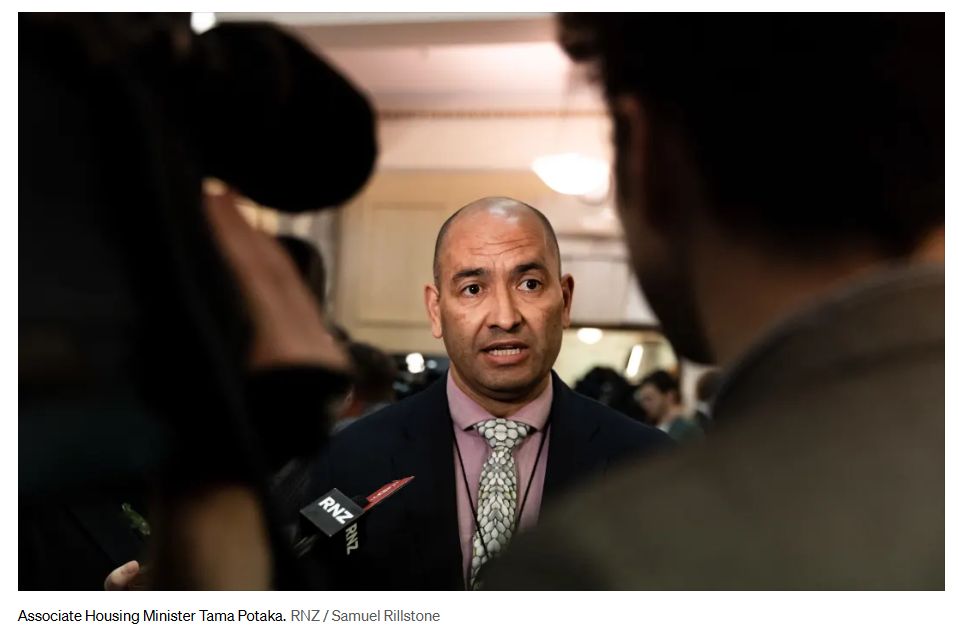
housing – something the minister in charge, Tama Potaka,
said was a matter
for the ministry leadership and not him.
Advertisement – scroll to continue reading
But the
MSD boss had defended
linking staff performance with cutting emergency housing
numbers, saying it’s executing the government’s
policy.
The coalition set a target to reduce the
number of households in emergency housing by 75 percent by
the end of 2029 – which was achieved early last year – and
introduced rules making emergency housing harder to get
into, and harder to stay in.
On Thursday, MSD sent out
the latest performance letters for the new financial year to
regional leadership.
Group general manager for service
delivery Graham Allpress said MSD was asking regional
leaders to strengthen their focus on helping people secure
stable housing after they leave emergency
housing.
Allpress also said he expected the number of
households in emergency housing to remain “broadly stable
over the coming year.”
“There are no goals in the
letters for regions to reduce the number of households in
emergency housing.”
Last year, “housing services
effectiveness” was a performance measure, with a number of
supporting indicators for the overarching emergency housing
reduction focus.
This year, the housing monitors
performance measure and supporting indicators were now
regarding the overarching “sustainable housing support”
focus.
The government’s emergency housing target was
to be maintained, but there were now measures around
achieving a target of initial appointments, early
intervention and public housing assessment for those in
emergency housing.
Five priority areas were also
outlined in the correspondence, including consistency of
service, accuracy, employment outcomes, effective management
of contracted services, and housing support.
These
differ slightly from the previous year’s letter: effective
and efficient commissioning, leadership of regional teams,
consistency and efficiency of service, and driving
performance.
As well, regional leaders were told last
year that performance targets would be assessed quarterly
and “where performance does not meet expectations, you will
be required to develop and implement targeted improvement
plans to address gaps and restore performance.”
This
year, the progress of performance measures would still be
monitored quarterly, but a slightly softer requirement:
“where performance is not meeting expectations, there should
be clear actions in place and evidence of
improvement.”
New Zealand’s public broadcaster, providing comprehensive NZ news and current affairs, specialist audio features and documentaries.
Radio New Zealand is a Crown entity established under the Radio New Zealand Act 1995. Radio New Zealand News are vital elements in our programming, providing impartial news and information to New Zealanders every day. Radio New Zealand (RNZ) provides listeners with exciting and independent radio programmes in accordance with the Radio New Zealand Charter.

