



Susana
Suisuiki Pacific Waves presenter
An
Auckland law academic is urging Pasifika voters to look
beyond election promises and consider what parties have
actually delivered for their communities.
The comments
come as political parties such as New
Zealand First and Labour
have laid out their immigration promises, specifically
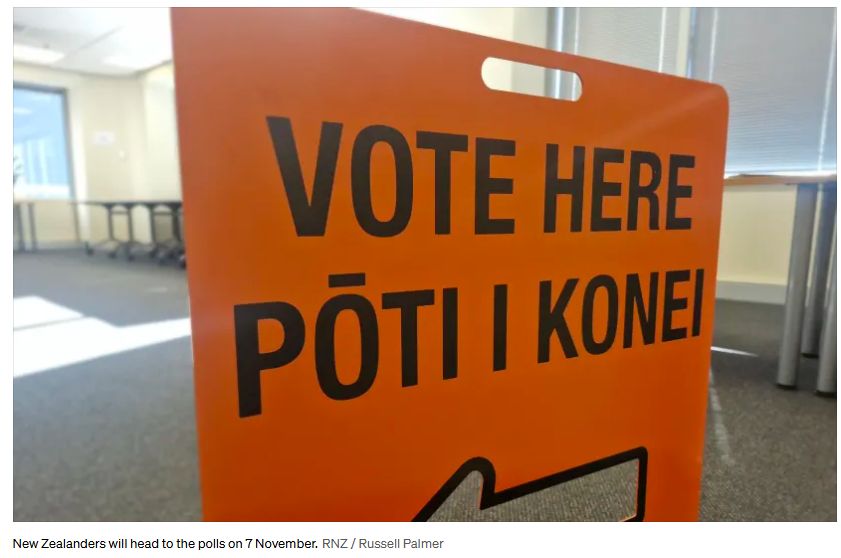
targeting Pacific migrants, ahead of the 7 November
polls.
Dr Suliana Mone told Pacific Waves that
voters should look at the track record of political parties
and whether previous commitments to Pacific people have
resulted in meaningful outcomes.
She said that, the
way coalition governments are formed under the Mixed Member
Proportional (MMP) system, not all campaign promises get
implemented.
“I think you have got to look at it
realistically. We have an MMP system here in Aotearoa New
Zealand,” Mone said.
“So while some parties may like
this visa waiver policy, they are going to have to negotiate
with other parties [about what] is the most likely outcome
for leadership, and that might mean they have to compromise
in terms of the policies that they are going in and that
might mean not actually seeing this come to
fruition.”
Advertisement – scroll to continue reading
Dr Mone said voters should also consider
whether there is evidence of progress once a party is in
government.
“Maybe we might need to move towards where
we are requiring politicians to actually, once in
government, to show that they actually implemented their
policies, like an annual report on what policies they
campaigned on, their progress towards it, whether they
achieved it or not.
“There needs to be some [kind] of
accountability mechanism during their time in government
because it can’t just be based on pure trust.”
While
immigration policies may have attracted attention among
Pacific communities, Dr Mone said they were not necessarily
the biggest priority for Pacific voters.
She said
Pacific people were more concerned about how they are
getting by.
“I think Pacific voters are interested in
what everyone else in New Zealand, all voters are interested
in.
“I know there is a huge interest in the cost of
living crisis, affordable housing, education opportunities,
pathways to employment, job security.”
“The visa
waiver is a great thing, but I do not really think,
realistically, that is the priority for Pacific
people.”
Dr Mone said Pacific faith leaders and
community groups could potentially help people understand
what they were voting on.
“The churches are like the
villages, the social-political unit for our Pacific people
here in Aotearoa New Zealand,” she said.
“They could
definitely take a bigger role in promoting politics and
policy, clarifying for our people what party policies are
and how much their vote actually means, and how engaging in
the political system could bring about changes for their
lives.”
She pointed to the role Pacific churches
played during the Covid-19 vaccination rollout as an example
of how community groups can help increase
engagement.
Dr Mone also noted Pacific youth were
becoming more involved in political debates compared with
previous generations.
However, she added that more
needed to be done to encourage Pacific people to participate
in civic
processes.
New Zealand’s public broadcaster, providing comprehensive NZ news and current affairs, specialist audio features and documentaries.
Radio New Zealand is a Crown entity established under the Radio New Zealand Act 1995. Radio New Zealand News are vital elements in our programming, providing impartial news and information to New Zealanders every day. Radio New Zealand (RNZ) provides listeners with exciting and independent radio programmes in accordance with the Radio New Zealand Charter.

