



Lauren
Crimp Political reporter
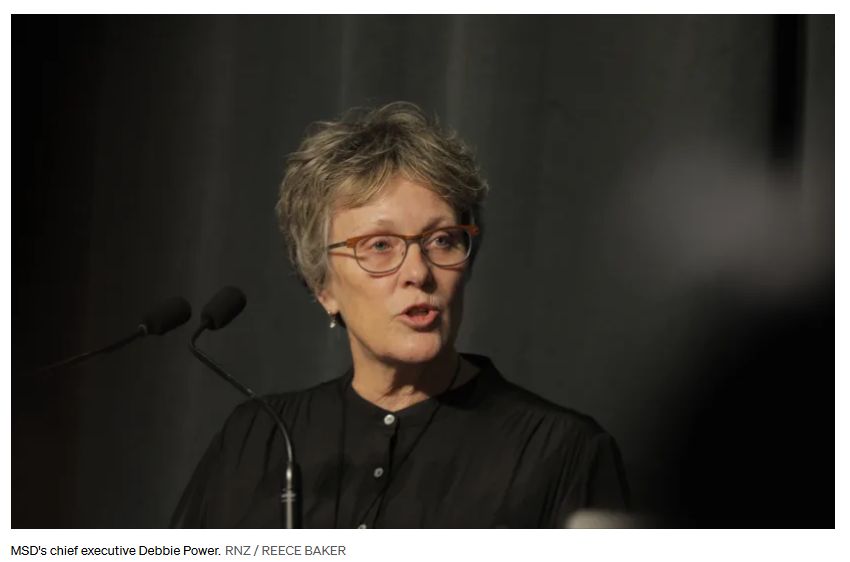
The
Ministry of Social Development (MSD)’s boss is defending
linking staff performance with cutting emergency housing
numbers, saying it’s executing the government’s
policy.
The coalition has set out to largely get rid
of emergency housing, with ministers repeatedly saying
squalid motels are no place for people to live.
As
part of that effort it put up a target to reduce the number
of households in emergency housing by 75 percent by the end
of 2029 – which was achieved last year – and introduced
rules making
emergency housing harder to get into, and harder to stay
in.
On Sunday TVNZ’s Q+A revealed MSD managers
have performance measures related to reducing emergency
housing numbers, which the Auckland City Missioner Helen
Robinson labelled a perverse incentive to decline people
help.
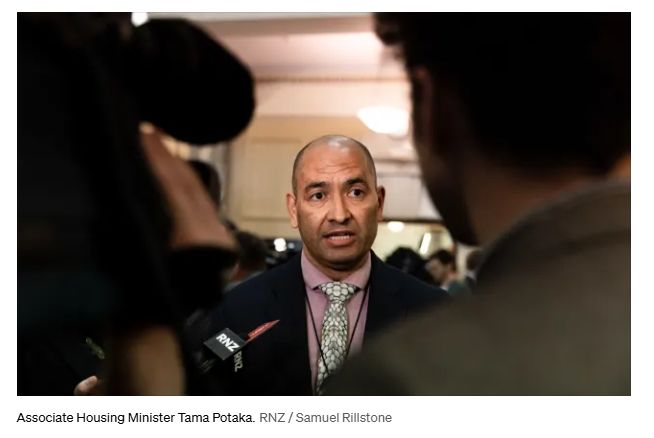
Associate Housing Minister Tama Potaka said
it was up to MSD’s chief executive Debbie Power how she
managed staff performance.
Advertisement – scroll to continue reading
In a sit-down interview
with RNZ on Thursday, Power said the ministry was
implementing the government’s policy.
“These … are
targets that the government has given us to achieve, and so,
of course they are part of our performance suite of what
we’re expecting our staff to achieve,” she said.
She
was adamant that if anyone sought emergency housing, and
were eligible, they would be granted it.
“Performance
measures just ensure that people understand what is required
from a system point of view,” Power said.
“The
government set us a target to reduce the number of people in
emergency housing.”
That target was met last
year.
MSD’s latest figures showed there were 471
households in emergency housing in May this year – and that
number has remained largely static since the end of
2024.
The big drop off happened in 2024: the year
began with 2880 households in January, and ended with 498 in
December.
“We still need to administer the policy,
though, in ensuring that emergency housing is available for
those who meet the criteria, and that’s what we will
continue to do,” Power said.
The performance measures
were not an incentive to decline people emergency housing,
she said.
“We accept our staff making these decisions
are really important decisions for people who come
in.
“That’s part of the reason why every decline is
reviewed by a manager to make sure we’re making good
decisions against the policy, because that’s our
job.”
An MSD document outlining the performance
measures indicated staff would keep emergency housing
numbers steady.
It said all but two regions had
achieved their emergency housing reduction
targets.
“Due to this, all regions now have a flat
2029 target,” it said.
“Regions who have met this
should aim to maintain levels at or below target, while
regions who haven’t should continue to trend down over time
toward their 2029 target.”
‘We
will do everything we can’
There has been much debate
about whether toughening up emergency housing eligibility
criteria has left
more people sleeping rough.
When the changes were
proposed, MSD officials advised ministers they risked making
more people homeless.
Frontline organisations say
that’s exactly what’s happened.
Ministers have said a
correlation cannot be drawn. However, they have responded:
first, in September with an extra 300 Housing First places
(funding for a person to be housed) plus
$10 million for organisations supporting rough sleepers,
and again last month with
another $14.5m for those groups.
RNZ asked Power
whether MSD had a responsibility to address the number of
rough sleepers, given her staff were making decisions about
granting – or declining – emergency housing.
Power
said MSD was doing all it could to help people, within the
set criteria.
Of the roughly 35 percent of people who
were declined emergency housing, about 70 percent were
offered other support, like transitional housing or help
paying rent arrears or bond for a private rental, Power
said.
The rest were not eligible.
“We will do
everything we can for people who do not meet the criteria to
assess whether they are entitled to any other form of
assistance, and that’s all we can do,” she said.
Power
used an example of someone who might apply for emergency
housing because they had been given a 90-day notice that
their tenancy was ending.
“We might be able to go back
and negotiate what’s happened with the landlord.
“We
might say to them, actually, we can’t grant you emergency
housing now, because you’ve still got three months left on
your tenancy, but what else can we do to avoid the need for
you to be in emergency housing?”
Minister’s comments
a ‘cop out’ – Labour
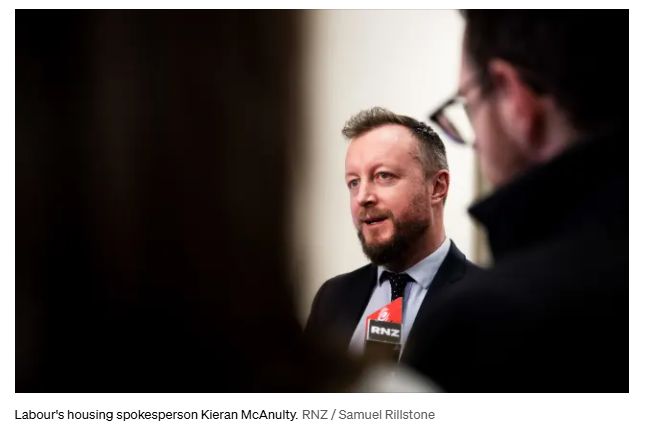
Labour’s
housing spokesperson Kieran McAnulty said it was obvious MSD
was just doing what the government tasked it
with.
“It’s an absolute cop-out for the minister to be
arrogantly dismissing genuine questions as to why this is,
trying to put it onto the ministry, when at the end of the
day they are doing what they’ve been instructed to by the
government.”
McAnulty said MSD would be helping more
people if the government’s parameters allowed for
that.
“They used to be different, when somebody
presented with need, they were found a place to
stay.
“Now they’ve instructed MSD to actively avoid at
all costs, it seems, putting people into emergency
accommodation to the extent where they are now asked to
judge people’s circumstances, and if they are deemed to in
any way have contributed to their circumstances, then they
don’t
qualify.”
New Zealand’s public broadcaster, providing comprehensive NZ news and current affairs, specialist audio features and documentaries.
Radio New Zealand is a Crown entity established under the Radio New Zealand Act 1995. Radio New Zealand News are vital elements in our programming, providing impartial news and information to New Zealanders every day. Radio New Zealand (RNZ) provides listeners with exciting and independent radio programmes in accordance with the Radio New Zealand Charter.

