
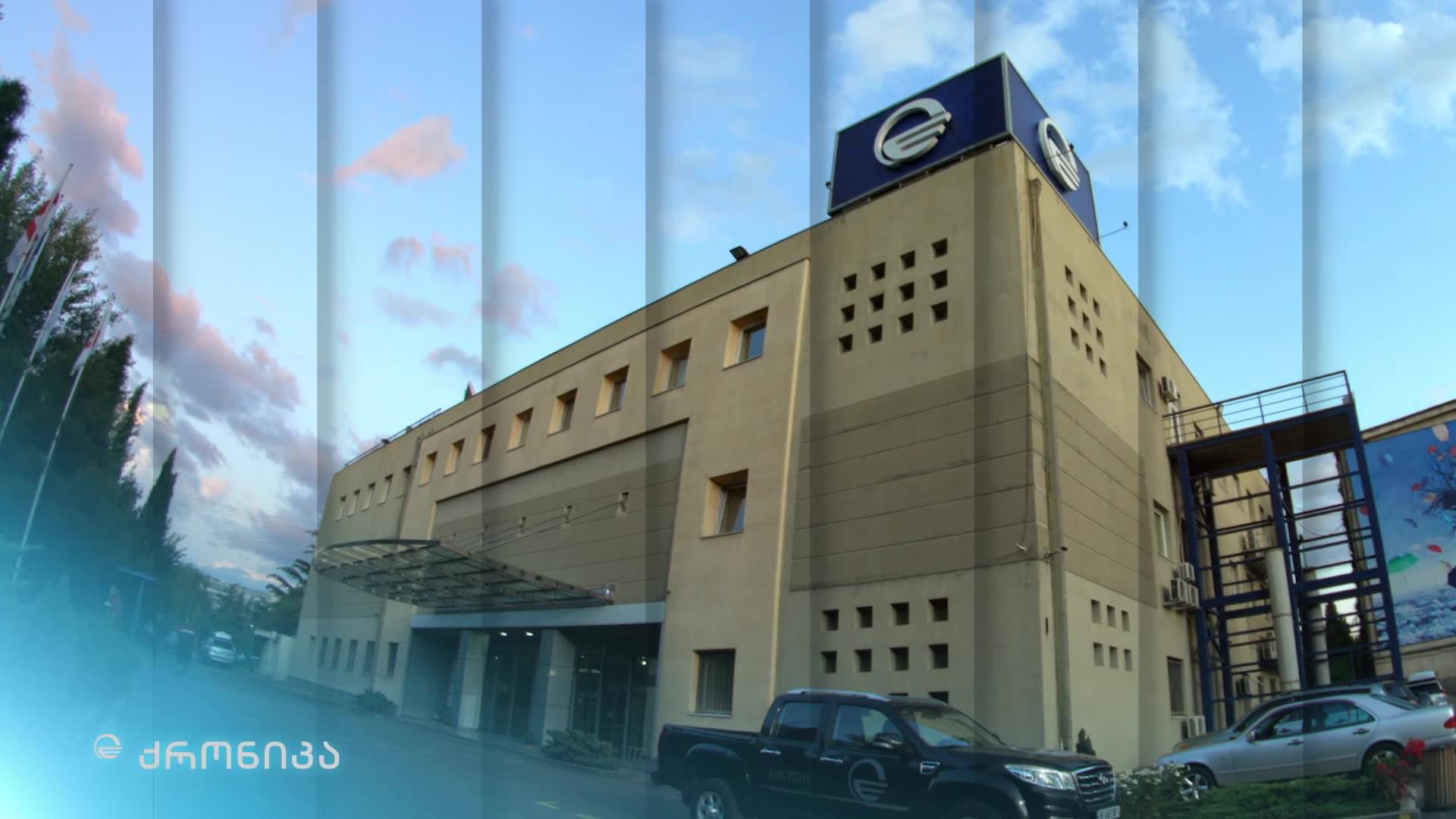
The Procter & Gamble Company (P&G), an American multinational consumer goods giant behind popular brands such as Gillette, Pampers, and Head & Shoulders, has cut ties with UK-sanctioned Georgian pro-government Imedi TV, while Nestlé, the Swiss-based world’s largest food and drink maker, has launched an internal investigation after its products were advertised on the channel, British business media outlet City A.M. reported.
The United Kingdom on February 24 sanctioned Georgia’s two major pro-government TV broadcasters, Imedi TV and POSTV, over “Russian disinformation,” saying they spread “deliberately misleading information concerning Russia’s full-scale invasion of Ukraine” that “destabilizes” Ukraine or “undermines or threatens” its territorial integrity, sovereignty, or independence. Observers suggested that this would make it more risky for the companies to advertise their products on the sanctioned channels.
City A.M reported on June 23 that P&G ended its business relationship with Imedi TV months after it continued to advertise on the channel despite sanctions. “An internal investigation carried out by John Brandon, a senior director and head of P&G’s European ethics and compliance office, led to the firm cancelling their business with the media company on Monday,” the report said.
Meanwhile, Nestlé has just opened an internal investigation over a similar issue involving the advertising of its products on Imedi despite UK sanctions, the same media outlet reported a day earlier, saying the probe is being led by the company’s global head of legal, with input from the London legal team. The June 22 article quoted a Nestlé spokesperson as saying, “We want to reassure you that Nestlé complies with all applicable laws and international sanctions, and this includes our activities in Georgia.”
City A.M further noted that several international brands had “immediately severed their connections” with Imedi following the sanctions announcement, “including the BBC, which licensed Strictly Come Dancing to Imedi TV but cancelled the deal the following day.”
Asked by the opposition-leaning TV Pirveli about the potential continuation of companies severing ties with Imedi TV, Georgian Dream Prime Minister Irakli Kobakhidze said on June 23, “The highest-rated television company in Georgia was sanctioned by the world’s most unpopular prime minister [Keir Starmer], who resigned from his post yesterday in tears. This is karma that has come back to Mr. Starmer.”
He added, “It is a shame what happened [sanctions]. This is Britain’s shame…the rest is not interesting. We guarantee you that neither Imedi TV nor POSTV will face any problems in terms of functioning, and media freedom in Georgia will be fully protected.”
Under the UK sanctions regime, the two broadcasters are subject to asset freezes, trust services sanctions, and director disqualification measures. According to the UK Financial Sanctions General Guidance, entities subject to asset freezes are restricted from accessing “funds and economic resources.”
Georgian Gream officials dismissed the measures as politically motivated, pledging to take “full responsibility” to defend the sanctioned channels. Several days later, UK Ambassador Gareth Ward was summoned to Georgia’s Foreign Ministry. Following a meeting with Foreign Minister Maka Botchorishvili, the ministry called the sanctions “unfounded” and “a blatant attack on Georgian society.”
In the weeks preceding the sanctions, Imedi TV owner Irakli Rukhadze gave up his shares. POSTV’s dominant shareholder, GD spinoff People’s Power MP Viktor Japaridze, had similarly transferred the management of his stakes late in January, although he continues to own a 52% stake in the company.
Also Read:

