

Georgia’s Tbilisi Court of Appeals has released journalist Dito Chubinidze of the weekly newspaper Asaval-Dasavali on bail of GEL 4,000 (about USD 1,550), a week after he was arrested on a treason charge over claims he published about the Davit Gareji monastery complex. Chubinidze denies the charge, and the case has drawn criticism from media groups.
Key points
- Chubinidze was arrested on 22 October and released on bail by the Tbilisi Court of Appeals on 29 October.
- Prosecutors charged him with treason, specifically sabotage, saying he deliberately spread false claims that damaged the work of the Georgian–Azerbaijani border commission. He faces up to four years in prison if convicted.
- He denies the charge. Media groups say the case sets a dangerous precedent for press freedom, while prosecutors say the claims were false and undermined state institutions.
- The charge has not been tested in court.
What prosecutors allege
The Prosecutor General’s Office says Chubinidze repeatedly published, through various media outlets, claims that Prime Minister Irakli Kobakhidze had secretly agreed to transfer parts of the Davit Gareji monastery complex, which sits on the border with Azerbaijan. Prosecutors say no agreement has been reached with Azerbaijan on that section of the border, and that border decisions must follow the formal procedure of the government’s delimitation and demarcation commission. They say the claims were false, were spread deliberately and damaged the commission’s work.
Prosecutors also say Chubinidze linked the death of commentator Lazare Jorbenadze to an alleged revenge killing meant to conceal damaging information about Kobakhidze, and that their investigation established that Jorbenadze died by suicide. Kobakhidze has denied the claims about Davit Gareji.
Background
Jorbenadze, an ultra-conservative commentator, made the allegations about Kobakhidze in interviews with Chubinidze for Asaval-Dasavali months before his death in April. The arrest came amid controversy over claims by jailed former Prime Minister Irakli Garibashvili, who raised questions about the circumstances of Jorbenadze’s death. Asaval-Dasavali is a weekly newspaper that Civil.ge describes as known for conspiratorial reporting.
What Chubinidze said after his release
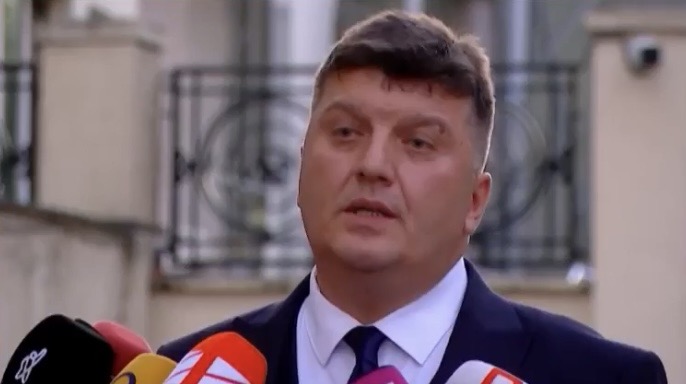
Speaking to reporters after his release, Chubinidze thanked his lawyer, Georgian society and supporters abroad, crediting their efforts and international pressure for the outcome. He said he would not have agreed to a deal or plea bargain with the authorities, and that he would have taken his case to the European Court of Human Rights in Strasbourg if necessary.
Reaction from media groups
The Media Advocacy Coalition, a Georgian press freedom platform, said that regardless of a publication’s editorial policy or the truthfulness of its reporting, treason and sabotage charges against a journalist must be backed by hard evidence. It warned of a “dangerous precedent” in which any journalistic work or critical position could become grounds for criminal prosecution.
The Georgian Charter of Journalistic Ethics said that holding a journalist criminally liable for high treason requires an exceptionally high standard of evidence, and that the authorities’ statement did not address those questions.
What happens next
Chubinidze remains charged, and the case will go through the courts. Under Georgian law, he is presumed innocent unless a court finds him guilty.
Read more: Blogger fined GEL 3,000 over Facebook comment he says targeted Simonyan | More Georgia news

