


Pokere
Paewai Māori issues reporter
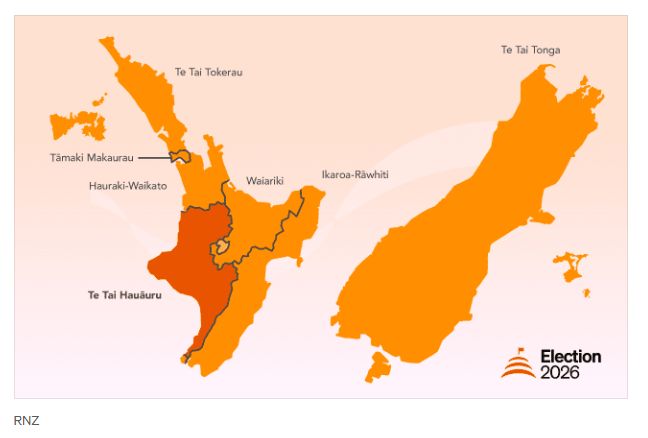
Stretching
from Porirua to Putāruru and from Ōpunake to Ohakune, Te
Tai Hauāuru covers the rohe of a diverse number of iwi as
well as the home of the influential Rātana
movement.
Why is it interesting?
Te Pāti
Māori co-leader Debbie Ngarewa-Packer won the seat in a
landslide in 2023, but this
time she will likely face a much closer challenge from
Labour as well as the only National candidate running in a
Māori electorate.
The campaign for the seat has been
an emotional one, beginning with the death of former Labour
MP and Speaker of the House Adrian Rurawhe.
Rurawhe
was widely
respected across the political spectrum, representatives
from all six parties in Parliament attended his tangihanga
at Whangaehu Marae
He held the seat from 2014 to 2023,
opting to stand as a list-only candidate for the 2023
election as previous speakers of the House had. Rurawhe
retired from Parliament on Waitangi Day 2026.
Advertisement – scroll to continue reading
And only
on Wednesday Ngarewa-Packer confirmed the passing
of her mother, Colleen Ngarewa, in a social media
post.
“While we are heartbroken, we would like to
share that she passed surrounded by whānau & friends at
her whānau home in Patea,” the post said.
What
happened at the last election?
In 2023,
Ngarewa-Packer won the seat with 16,288 votes, ahead of
Labour’s Soraya Peke-Mason on 7126 votes.
Labour led
the party vote with 41 percent, to Te Pāti Māori’s 35
percent.
Over the last two decades the electorate has
swapped back and forth between Labour and Te Pāti Māori.
The late Dame Tariana Turia held the seat from 2002, first
for Labour and then from 2004 as co-leader of Te Pāti
Māori, until her retirement.
It was then held for
three terms from 2014 by Adrian Rurawhe before
Ngarewa-Packer brought it back to Te Pāti Māori in
2023.
Who
is standing?
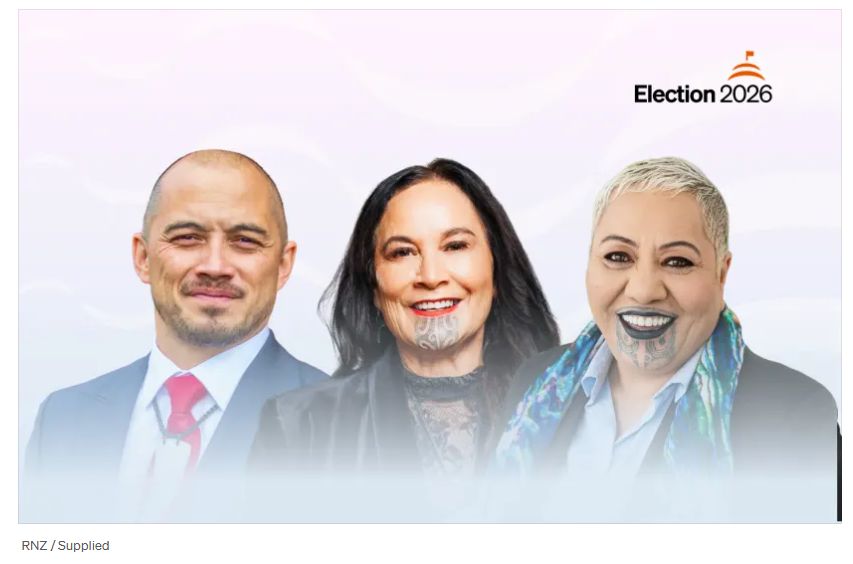
Te Pāti Māori co-leader Debbie
Ngarewa-Packer has now been in Parliament for two terms,
first as a list and then electorate MP. And before that she
had a high profile in the region as the chief executive of
South Taranaki iwi Ngāti Ruanui.
Ngarewa-Packer pulled
back on campaigning for the election last month while
her mother was unwell.
Contesting the seat for Labour
is Fulbright scholar and business leader Te Pūoho Katene
(Ngāti Toa Rangātira, Ngāti Whātua, Ngāti
Tama).
Katene told RNZ it has been difficult for
Māori to drive towards tino rangatiratanga when the
government is “actively and cynically punching holes in your
waka.”
“What we’ve seen in the last three years is a
government who has thrown out their considerations for
people, thrown out their considerations for taiao, in order
to favourite corporates.”
Katene said he is an
advocate for leveraging the strength of the Māori economy
to create the jobs that have been lost due to the economic
downturn.
“We can’t sit there and wait for another big
employer to come with another 200 jobs. But what we can do
is we can help foster 20 local companies that can hire 10
people each. And in doing that, we know that that money is
never going to leave that community.”
The National
Party selected Rangitīkei District Councillor Coral Raukawa
(Ngā Wairiki Ngāti Apa, Ngāti Tūwharetoa, Ngāti
Kahungunu, Whanganui) as their candidate.
Raukawa is
the only National candidate contesting a Māori electorate
at this election. The party did not stand any candidates in
the Māori seats for a twenty year period between the 2002
and 2023 elections.
Raukawa said she wouldn’t describe
the Māori seats as a poison chalice for National
candidates, but rather an opportunity and responsibility for
the party.
“Māori are not one single voting bloc.
We’ve got Māori business owners, farmers, professionals,
beneficiaries, kaumātua, our rangatahi and even our own
whānau. So we have people with different political beliefs,
just as every other community does. And I joined National
because I believe my values and my aspirations for our
people, for our whānau, can be represented.”
Raukawa
said she put her hand up because she can bring something
different to the seat for National.
“I didn’t leave my
whakapapa at the door when I walked through the National
door. And also understanding our marae, our iwi and
especially our communities and I’m prepared to have
conversations across the political
lines.”
New Zealand’s public broadcaster, providing comprehensive NZ news and current affairs, specialist audio features and documentaries.
Radio New Zealand is a Crown entity established under the Radio New Zealand Act 1995. Radio New Zealand News are vital elements in our programming, providing impartial news and information to New Zealanders every day. Radio New Zealand (RNZ) provides listeners with exciting and independent radio programmes in accordance with the Radio New Zealand Charter.

