

The Ministers Committee of the Council of Europe called on Georgian authorities to “revise” legislation related to freedom of assembly and ensure a “fully enabling environment” for NGOs monitoring and assisting respective cases, in a decision following a meeting on supervision of the execution of the European Court of Human Rights judgments.
In the decision from the June 9-11 meeting that focused on the execution of Makarashvili and Others v. Georgia judgment, ministers’ deputies ” recalled that the right to freedom of assembly is a fundamental right in a democratic society and, like the right to freedom of expression, is one of the foundations of such a society.”
While noting the payment of the just satisfaction in “these cases,” the deputies reiterated that “the individual measures required include ensuring the applicants’ continuing freedom to take part in peaceful demonstrations, which depends on progress in the general measures.”
As part of general measures, the deputies reiterated “the importance of ensuring that any interference with the right to freedom of assembly adheres to the principles of lawfulness, necessity and proportionality,” noting “with deep concern legislative and enforcement measures which produce a chilling effect on the exercise of the right of freedom of assembly.”
The deputies thus called on Georgian authorities “to thoroughly revise the relevant legislation and practices and align them with the Convention standards, with a view to preventing disproportionate and arbitrary administrative arrest/detention and conviction, including criminal conviction, excessive sanctions, and ensuring the overall fairness of proceedings.” The deputies further encourage authorities “to engage in meaningful consultations with relevant stakeholders and Council of Europe expert bodies.”

The decision further calls upon Georgian authorities “to provide updated information on judicial and law enforcement practices related to administrative arrests/detentions and convictions in the context of demonstrations, along with statistical data.”
“Recalling the important role of civil society in monitoring compliance with the Convention and the Court’s judgments,” the deputies also called on the authorities “to ensure fully enabling environment for the effective operation of NGOs which monitor assemblies and provide legal assistance to their participants.”
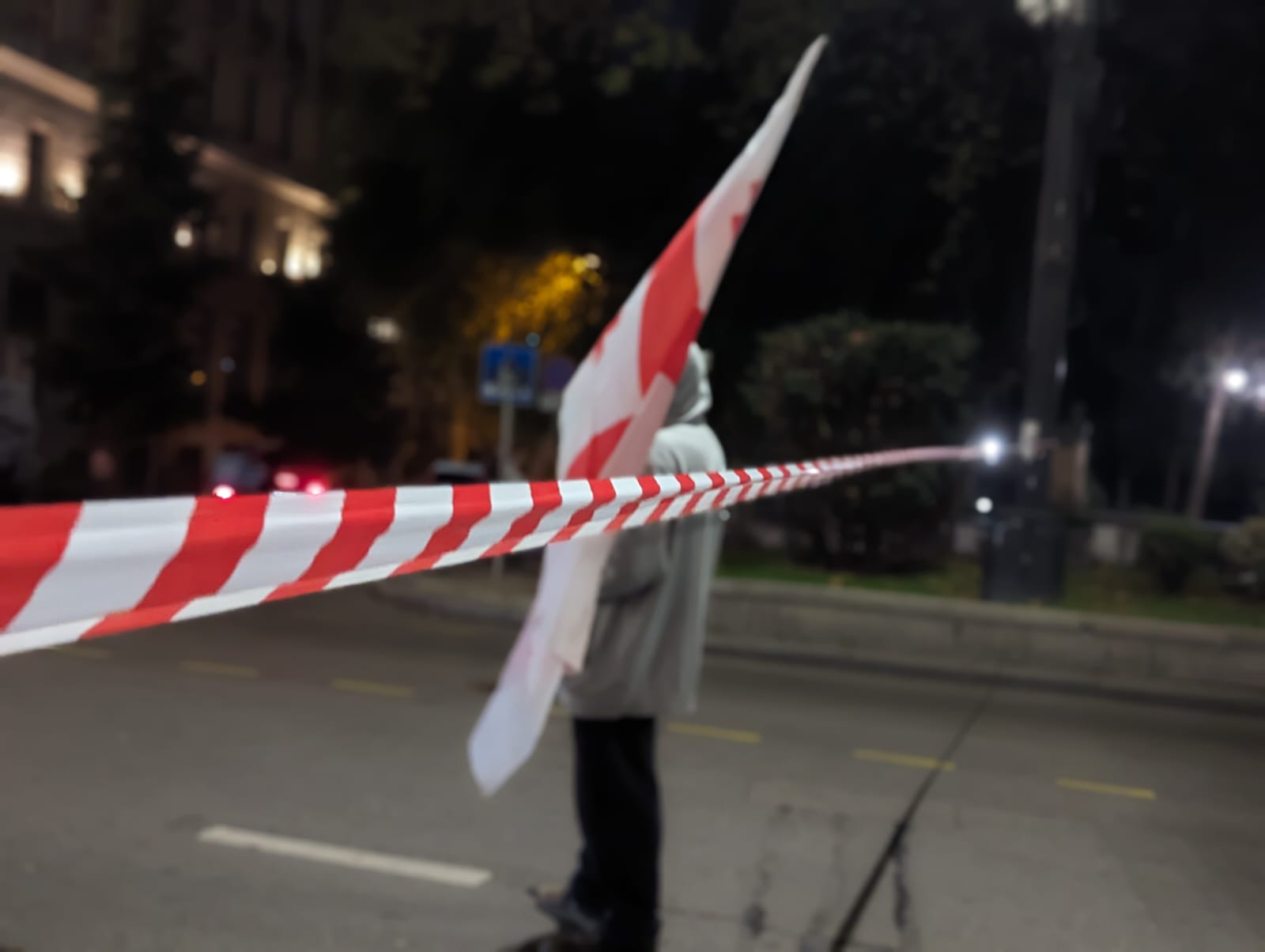
The statement comes amid the gradual tightening of protest rights under Georgian Dream rule in recent years, including heavy fines, administrative detention, and, in some cases, criminal prosecution for demonstrations on roadways and sidewalks. In parallel, the country has also witnessed a shrinking space for civil society organizations, as a series of laws have effectively restricted their access to funding.
Also Read:

