



An
amendment to allow councils to change their development
contributions for out-of-sequence fast-track projects will
go through Parliament.
It follows concerns from
Auckland Council over unanticipated development, and the
infrastructure bill the council faces.
Auckland faces
a potential infrastructure bill of up to $5 billion, from
the approval of 50,000 to 60,000 “unanticipated”
homes.
The council has started an investigation into
how to tell developers, and potential residents, that it
will not provide or fund some services in out-of-sequence
projects.
On Monday, Prime
Minister Christopher Luxon told Morning Report
councils would get support, but the government was not
willing to pause referrals of fast-track housing
projects.
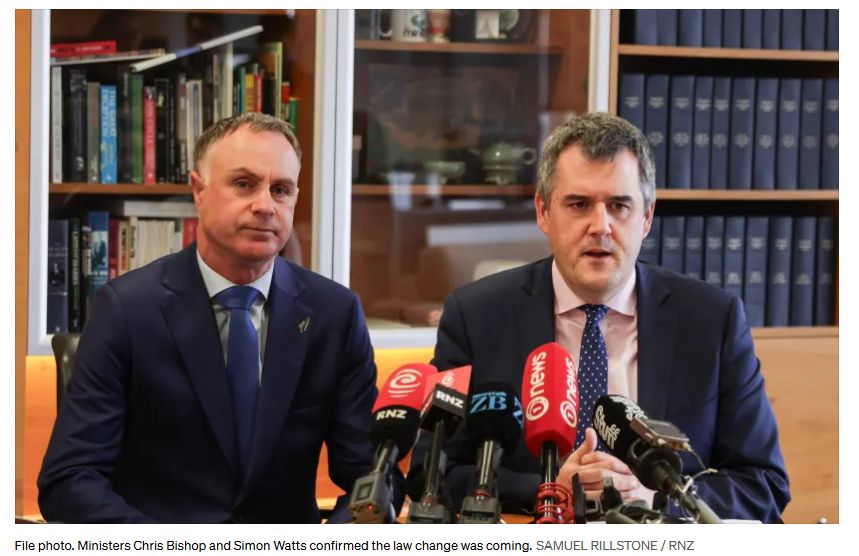
Now, housing and infrastructure minister
Chris Bishop, and local government minister Simon Watts, have
confirmed the law change to give councils that support
is coming.
Advertisement – scroll to continue reading
Bishop said the fast-track expert panels
were already imposing conditions requiring roads, water,
wastewater, and other infrastructure to be in place before
development could proceed.
But he said the issue being
addressed was that existing development contributions did
not adequately account for development enabled through
fast-track, as they reflected what was anticipated in a
district plan rather than the proposed use of the
land.
“That can happen where a development proceeds
sooner than anticipated in council infrastructure planning,
brings forward the need for a major network upgrade, uses
capacity that had been planned for growth elsewhere, or
relies on infrastructure across council boundaries,” he
said.
“Where a development creates additional
infrastructure costs, an appropriate share should be met by
the development rather than being shifted onto existing
ratepayers.”
The changes will come through an
amendment paper to the Local Government (System
Improvements) Amendment Bill. The bill is set to have its
Committee of the Whole House stage later this
week.
Bishop said the settings would not apply to
projects already approved.
The government will
eventually change development contributions altogether with
a new levy system. Bishop expected the system would be in
place from 2029, and would allow councils to respond more
effectively to growth over the long-term.
Asked how a
development levy squared with National’s ‘no new taxes’
policy, Labour leader Chris Hipkins said a levy was a form
of tax.
“Levies are taxes. Taxes are levies. Look, we
can get hung up in the semantics of that, as the National
Party likes to.”
But Bishop said it was not a tax, and
it would not push up the cost of building a
home.
“Development contributions and development
levies are cost recovery mechanisms that everybody accepts
we need in the system to make sure that as you build new
housing the people that are beneficiaries of that housing
can pay for the infrastructure required to support that
housing.”
Bishop said moving to a levy regime was
something councils had been wanting for around 15 years. He
expected to make announcements on the new system “in the
next few
days.”
New Zealand’s public broadcaster, providing comprehensive NZ news and current affairs, specialist audio features and documentaries.
Radio New Zealand is a Crown entity established under the Radio New Zealand Act 1995. Radio New Zealand News are vital elements in our programming, providing impartial news and information to New Zealanders every day. Radio New Zealand (RNZ) provides listeners with exciting and independent radio programmes in accordance with the Radio New Zealand Charter.

