

Repsol, a petroleum importer that supplied the gasoline to Georgian company Solidus, which shipped it to occupied Abkhazia amid shortages, said that where Solidus resells the gasoline after purchase is not agreed with Repsol and falls outside the scope of its responsibility.
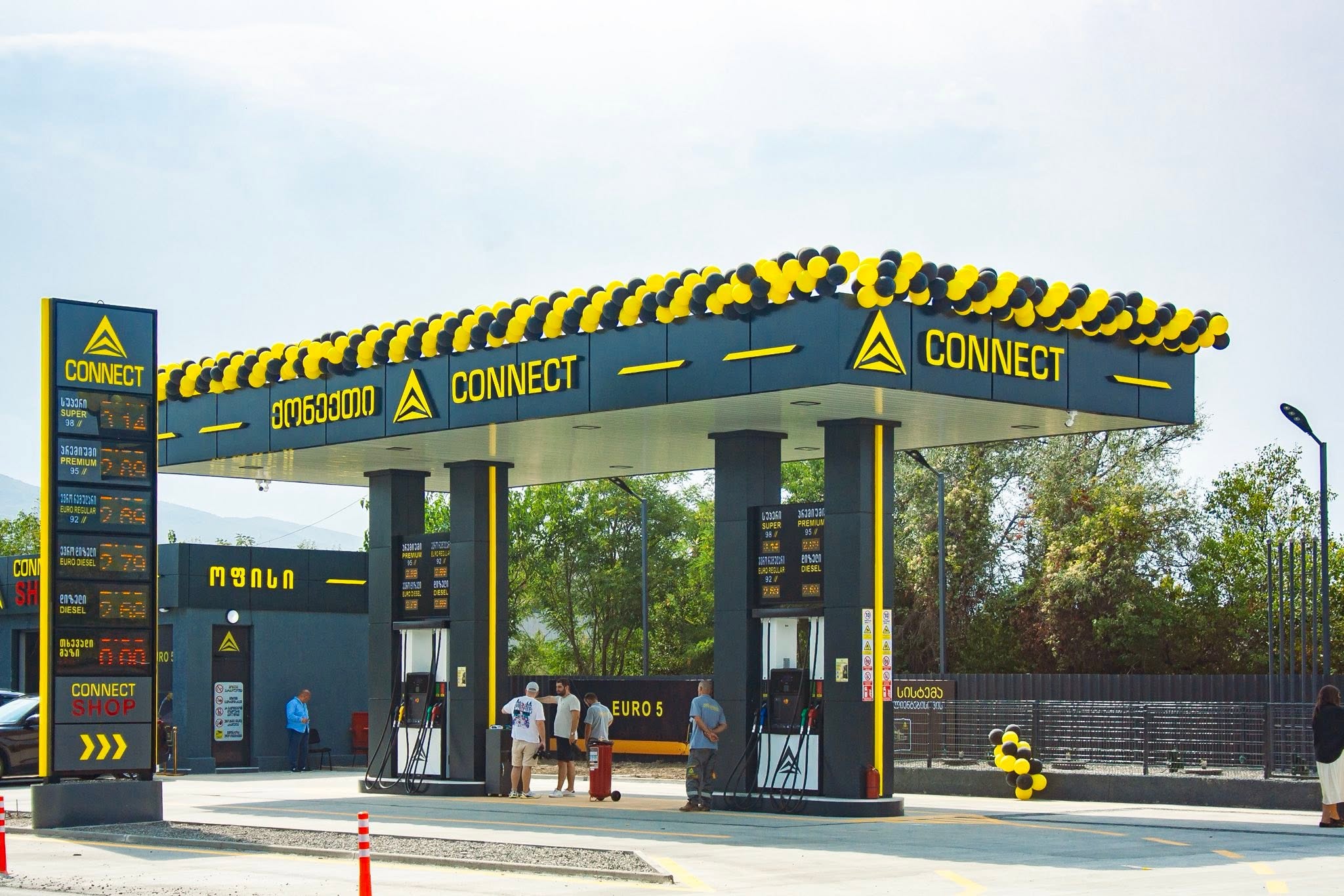
According to Repsol, a limited liability company established in Georgia in 2014 that operates the Connect gas station chain, the purchase was made by Solidus, a Georgian company, under a contractual obligation, and no further sales are planned to Solidus.
“This year, LLC Solidus purchased gasoline-type fuel from the company, paid for the cost of the products, and is gradually taking them out,” Repsol said in an August 15 statement, published by the Connect Facebook page. “Where LLC Solidus will sell the purchased petroleum products is not agreed with us and falls outside the scope of our responsibility.”
Repsol, fully owned by Georgian entrepreneur Ucha Lursmanashvili, said it has been supplying “European” petroleum products to “over 3,000 Georgian companies” in compliance with local and international regulations.
The statement comes as part of the widening controversy that followed the confirmation by Georgian Dream Prime Minister Irakli Kobakhidze on August 12 that “business” supplied the fuel to the region from Georgia proper, amid reports that Abkhazia experienced shortages amid the war-related fuel crisis in Russia. Kobakhidze assured the shipment took place in compliance with the Georgian Law on Occupied Territories, which, among others, regulates business activities in Georgia’s occupied regions.
While Georgian Dream circles defended the move as a humanitarian effort to ease the crisis both for ethnic Abkhaz and Georgian residents in the region, opposition figures suspect the fuel may have ended up in Russia, possibly also to benefit the Russian military.
Shortly after Kobakhidze’s confirmation, RFE/RL’s Georgian Service traced local company Solidus as the business responsible for the shipment. The company has a “special enterprise status,” which allows it to carry out activities in Georgia’s occupied territories.
In a series of media remarks, Giorgi Arveladze, the company founder, confirmed shipping up to 400 tons of gasoline through the Enguri Bridge crossing point together with Abkhaz business partners to the region, saying the shipment was largely meant for the Gali district populated by ethnic Georgians. He said his company had mainly shipped food and agricultural products to the region until now, and that this was the first fuel shipment in more than three decades, carried out on his own initiative rather than at the government’s request.
Arveladze later also said the Abkhaz partners paid for the shipment in Georgian lari after crossing to the Georgia proper and converting the currency, and named Repsol as a company from which Solidus had bought gasoline. He also expressed the readiness to provide further supplies to the region.
The revelations sparked controversy among Georgia’s opposition forces, which demanded answers from both the authorities and the petroleum companies involved in the shipment, suggesting that the fuel may have ended up in Russia’s southern regions amid Moscow’s ongoing war against Ukraine.
Late on August 15, the opposition Droa party published a video showing Droa and Ahali party members spotting what they suspected were three more fuel-loaded trucks crossing the Enguri Bridge into Abkhazia.
Ruling Georgian Dream party members dismissed the allegations of aiding Russia as opposition “hysteria,” arguing that the amount was too small to benefit Moscow and that the military would require diesel, rather than gasoline, for such a shipment to be of use.
Also Read:

