

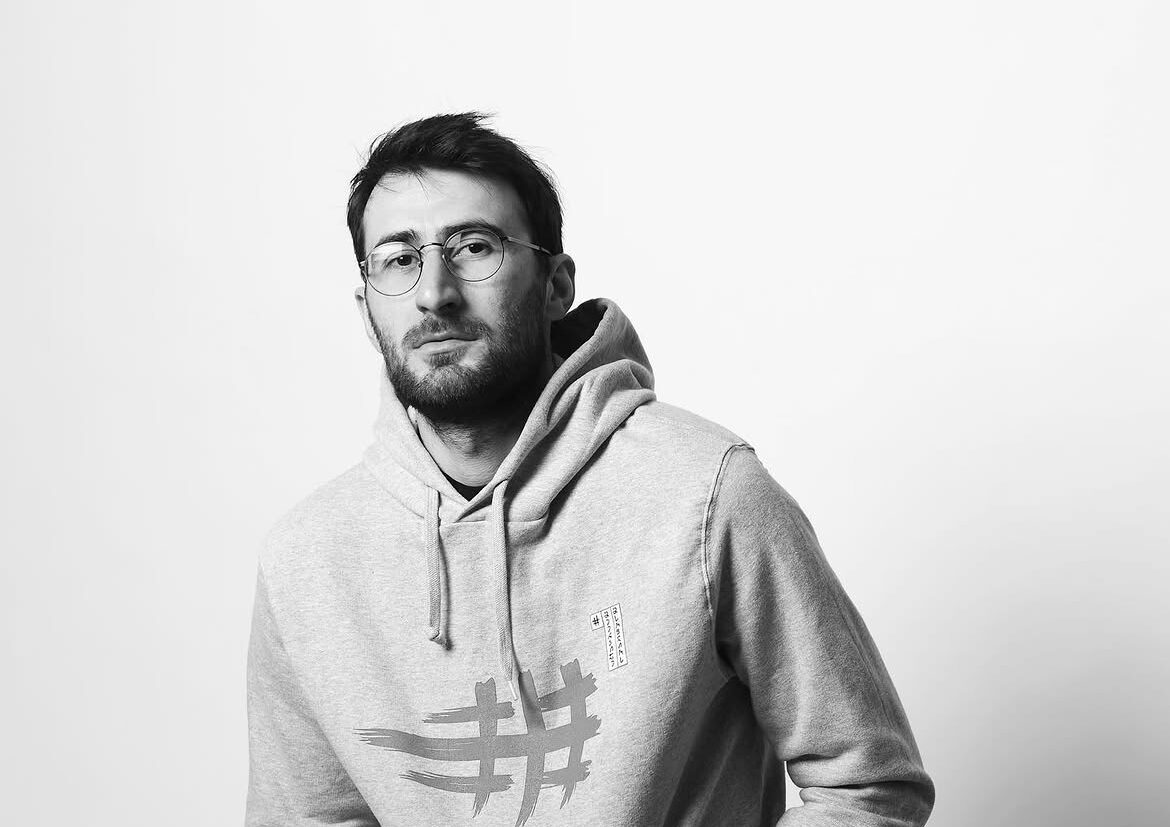
Georgian film director Uta Beria has accused the country’s National Film Center, the government agency responsible for facilitating state funding for filmmakers, of withholding part of the funding awarded to his Tear Gas project, which features protests in Tbilisi, and later attempting to prevent its premiere at the Locarno Film Festival.
Tear Gas is a fiction film shot during real demonstrations in Tbilisi. According to the Locarno Film Festival, it follows “16-year-old Elene and her war-scarred family” as they are drawn into a mass protest that “transforms the streets into a battleground for freedom,” forcing them to confront “the fractures already threatening to tear them apart.” The film won the Cinema&Gioventù Special Prize awarded by the independent junior jury.
In an August 19 Facebook post, Beria said the Film Center withheld “half of the funding” awarded to the project in 2022 while it was in production, without explaining why. He said the filmmakers nevertheless completed the film by reducing its budget, using personal funds and taking on debt.
Beria said that shortly before the premiere in Locarno, the Film Center sent the filmmakers a warning that they would face a financial penalty if the film was screened publicly. He added that the Center also contacted the festival “in an attempt to prevent the premiere.” According to Beria, Locarno kept the film in its competition and went ahead with the scheduled screening.
“First, they tried to prevent me from finishing the film. Now they are trying to prevent the film from reaching its audience,” Beria wrote.
Beria also said that many of his colleagues currently lack the opportunity to make films and accused the National Film Center of acting as a “censor” rather than supporting Georgian cinema. He linked the situation to the detention of fellow artists and the broader pressure he says the cultural sector is facing.
The allegations come amid wider tensions between the Georgian authorities and parts of the country’s cultural community, with artists and theater professionals among the participants in anti-government protests. The government has also faced criticism over dismissals and disputes involving cultural institutions.
Also Read:

