



Giles
Dexter Political reporter
The
Green Party wants to bring back the school lunch programme
to what it was, and then expand it to more
schools.
The party says if it is part of the next
government, it will also permanently fund the Ka Ora, Ka Ako
programme (which was renamed Healthy School Lunches in
October).
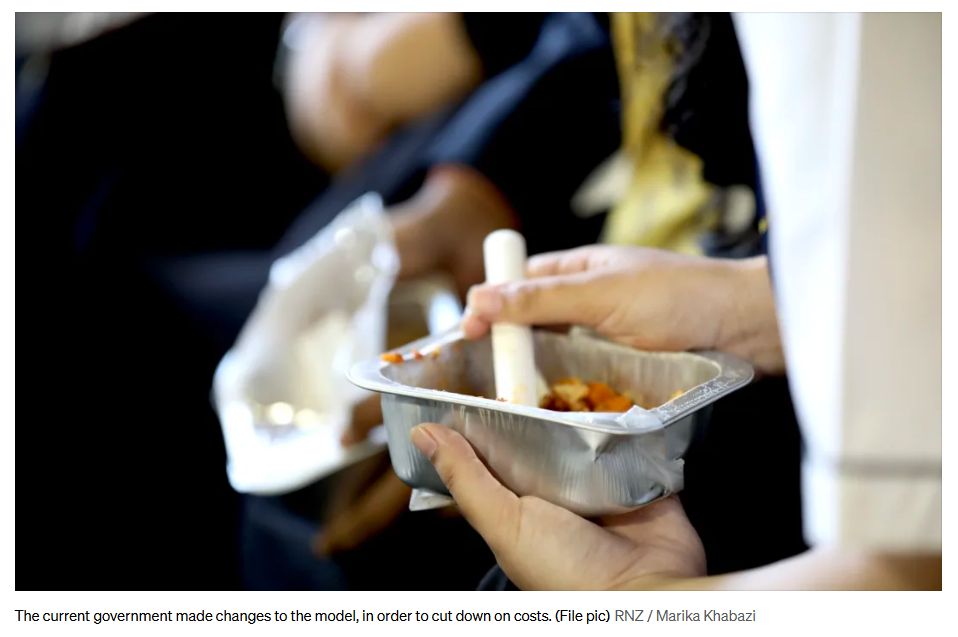
The current government made changes to the
model, in order to cut down on costs.
The programme
had some early teething issues, including poor meal quality
and a
provider going into liquidation.
But Associate
Education Minister David Seymour said in May that on-time
delivery has been at almost 100 percent every day, and
complaints had fallen by more than 92 percent.
The
average cost per meal has now dropped to $3.58 across all
suppliers, but the Greens want to restore the funding to
$6.50 per lunch.
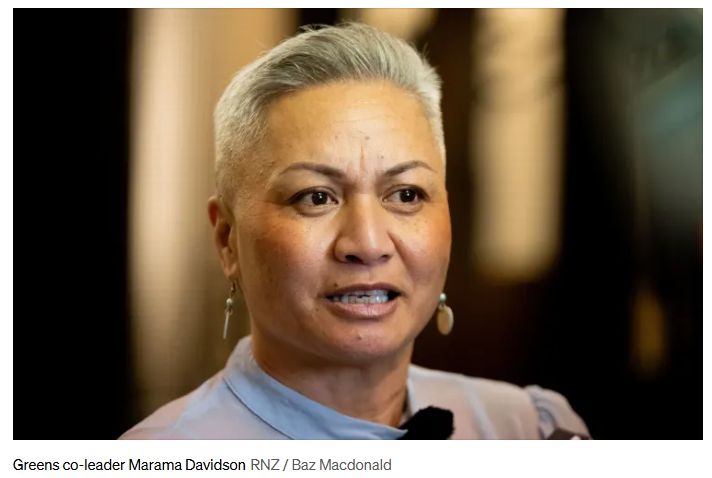
Green Party co-leader Marama Davidson
said the Greens’ election policy would restore the Ka Ora Ka
Ako programme so lunches were provided through schools or
local providers, and would expand it to approximately 400
more schools.
Davidson said this would ensure 150,000
more children would get a lunch every day.
Advertisement – scroll to continue reading
“Slashing
the school lunch programme’s funding and removing contracts
from local providers cost New Zealanders hundreds of local
jobs, left half of meals failing minimum nutritional
standards and increased food waste. The cut-price programme
doesn’t even have secure funding beyond 2028,” she
said.
“The goal of a school lunch programme should be
providing nutritious school lunches to children, not
exploiting Government contracts to prioritise profits and
overseas shareholders over our tamariki.”
The
Greens would extend the programme to schools with an Equity
Index over 450.
It estimated that restoring the local
provision would bring back up to 2000 jobs, and expanding it
would create up to 1900 more.
The policy was costed at
$472 million in 2027/28, rising to $602m in
2030/31.
In this year’s Budget, the government
extended the programme for another year, but Seymour
indicated it was likely
changes would be made for 2028 and beyond.
He said
$122m would be saved by continuing with the programme as-is
in 2027, compared to how much it would cost if the old
scheme was still running.
A report from the
Auditor-General found the programme was saving money
compared to the previous government’s approach, but its
performance was not
being properly monitored or
tracked.
New Zealand’s public broadcaster, providing comprehensive NZ news and current affairs, specialist audio features and documentaries.
Radio New Zealand is a Crown entity established under the Radio New Zealand Act 1995. Radio New Zealand News are vital elements in our programming, providing impartial news and information to New Zealanders every day. Radio New Zealand (RNZ) provides listeners with exciting and independent radio programmes in accordance with the Radio New Zealand Charter.

